Contacts

00100 Nairobi, Kenya

info@kenresheet.com

+254 123 456 789

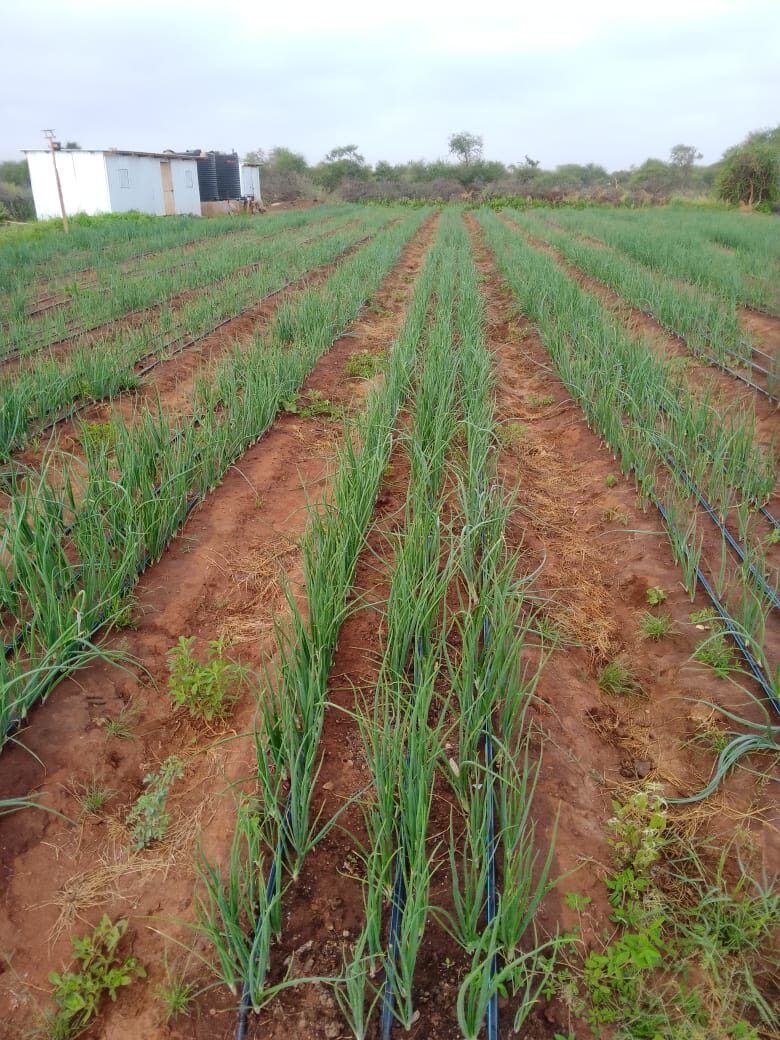
onions kimana
Sustainable Agriculture

Scarcity to Precision: Transforming Farming in Kajiado with Smart Irrigation

In 2023, Mugendi Muthamia co-founded Kimana Model Farm with the main aim of empowering rural African farmers by bridging the gap between advanced irrigation technologies and practical on-farm application. By showcasing drip irrigation and fertigation in onion farming, he demonstrates how water can be used more efficiently in arid and semi-arid regions like Kajiado County, where water scarcity is a daily challenge. More importantly, he not only demonstrates but also develops simple, easy-to-follow farming protocols that reduce risk and eliminate guesswork, making it easier for smallholders to transition to high-value crops.

He brings not just technical expertise to Kenreshet, but a vision of agriculture that is efficient, reliable, and accessible. By translating innovation into practical solutions, his work contributes to KenReshet’s goal of building resilient farming systems and making agriculture a more sustainable and attractive sector for farmers and investors.
trellessing in UG
Sustainable Agriculture

Sparking pupils’ curiosity

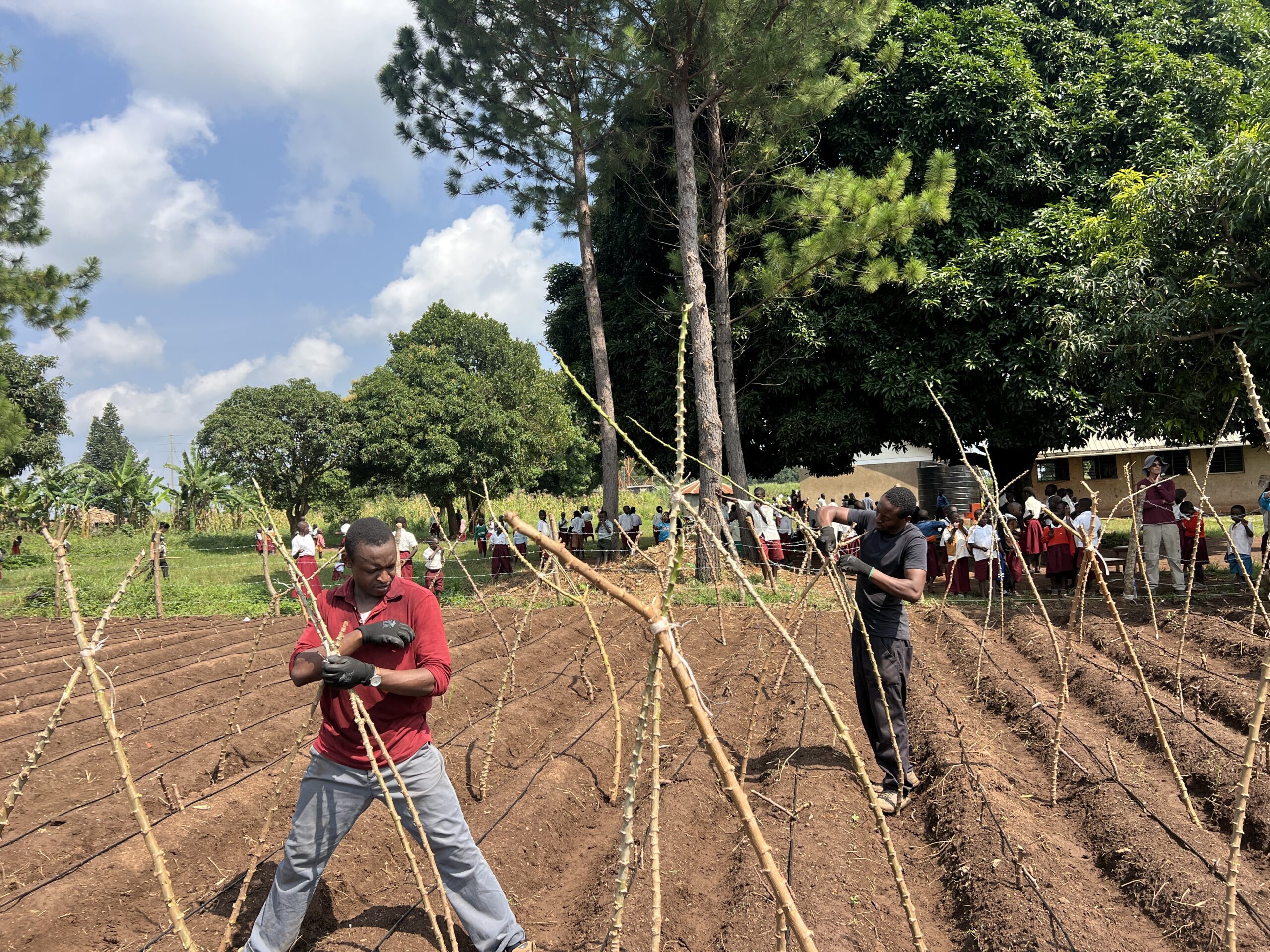
Between July 20-30, 2025, we (Muthamia and Ongeso), together with eight other students from Ben-Gurion University of the Negev travelled from Israel to Kabalye Settlement Primary School in Masindi, Uganda, to help establish a sustainable vegetable garden under drip irrigation, using Netafim’s pipes.

After arriving via Addis Ababa, we wasted no time getting started. We mapped the site, soaked seeds, prepared the beds, and installed a drip irrigation system, ensuring every drop of water reached the plants efficiently. With the help of pupils and teachers, we connected the laterals, set up trellising, and completed the planting, transforming the small field (~ 500 m2) into a living classroom full of excitement and discovery.

Beyond the hands-on work, we engaged students and teachers in interactive sessions, showing how simple irrigation techniques can change how communities grow food in the wake of climate change. The drip irrigation technology has worked successively in dry countries like Israel, enabling them to export food and create employment opportunities. The student’s curiosity and enthusiasm reminded us why education and sustainability must go together. We also joined a local drama festival and visited a model primary school at Red Earth Education headquarters, learning how creativity and local innovation can strengthen education.

Climate Resilience

Beneath Our Feet: The Climate Power of African Soils

Soil is not just an inert factory that puts food on our tables, it is alive and breathes, just like we do. It is by far the largest carbon reservoir on earth, but also one of the largest sources of carbon dioxide, nitrous oxide and methane, the three most potent greenhouse gases (GHGs). As the farmers around the world work tirelessly to feed a growing population, many remain unaware of the risks that agricultural intensification poses to the climate, as well as underground water resources that we all depend on.

Chris Gathaiya’s research focuses on how different farming systems influence GHG emissions and the potential of soils to store carbon. With the right practices, every farmer with a piece of arable land can turn their soil into a natural carbon sink. Unlike costly technologies such as direct air capture, soil carbon sequestration is accessible, affordable, and practical, reducing emissions while continuing to sustain communities. This means that agriculture is not only part of the problem, but also a powerful part of the solution.

Across Africa, we face a major challenge: the lack of reliable data on how our farms contribute to or mitigate global warming. Without this information, our role in the global climate story remains underestimated. Yet Kenya’s young population and its place in the global food chain, present a unique opportunity to close this data gap. 

With his expertise in agricultural systems and GHG quantification, he aims to amplify small holder farmers’ footprint in combating climate change. By adopting evidence-based farming practices, we can balance productivity with climate resilience, which can guide communities and policymakers toward climate-smart solutions.

At KenReshet, he brings not just science, but a vision; a vision to turn agriculture into a driver of resilience and hope for Kenya and Africa at large.

Community Development

Where Business Meets Impact: Irene’s Journey in Beekeeping and Community Empowerment

My journey at The Hive Limited Company has been a transformative experience where I combined business with community impact. While I supported sales of honey and beehives through digital marketing and outreach, the most rewarding part was serving as an Extension Officer. I worked closely with farmers—installing hives, training them on beekeeping practices, carrying out honey harvesting, and managing colonies for effective production. Regular hive inspections and farmer training not only improved productivity but also built farmer confidence and created sustainable livelihoods. This hands-on experience deepened my expertise in apiculture and strengthened my passion for empowering communities through agriculture.